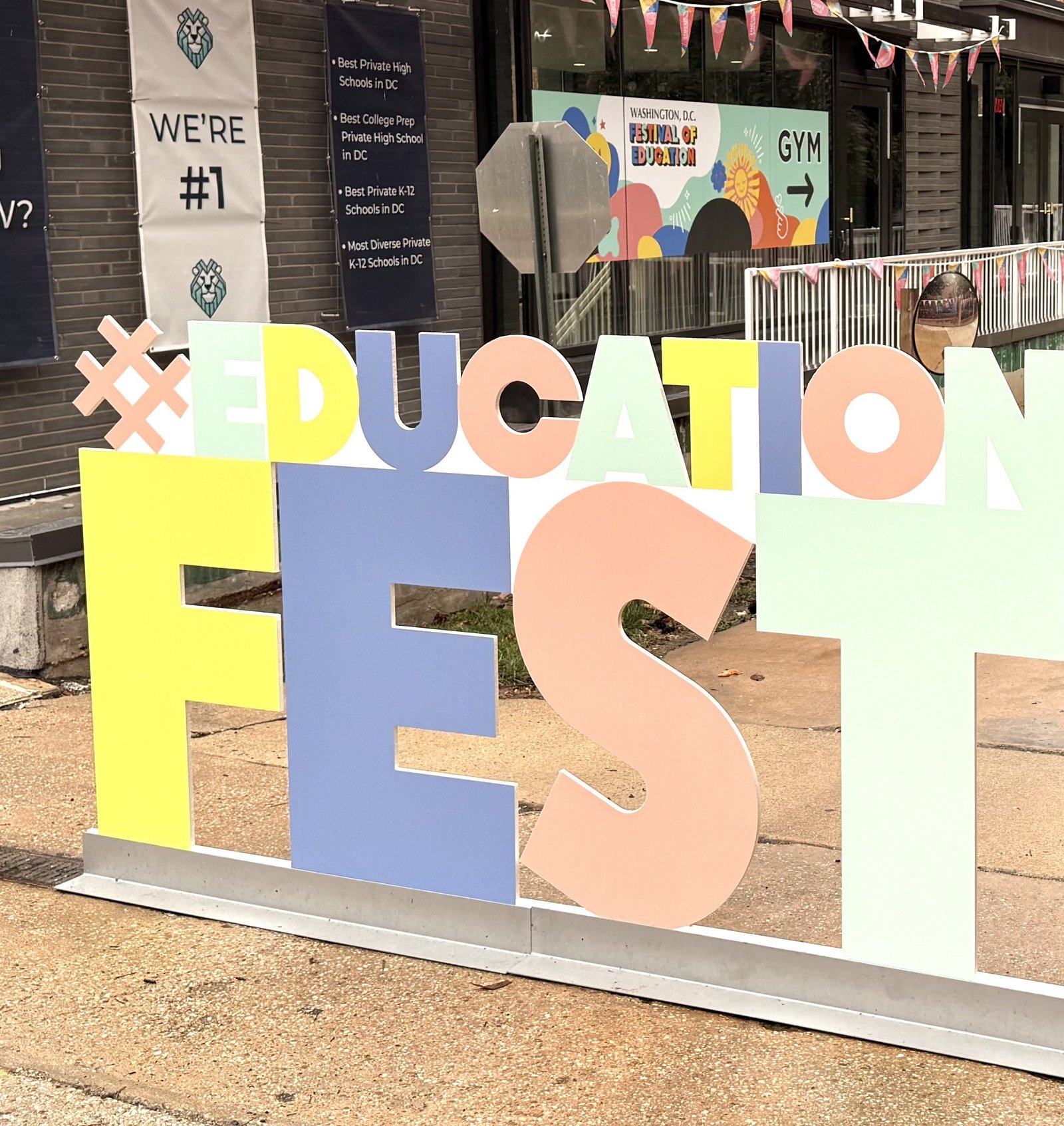
The Festival of Education 2026 offered valuable perspectives on the evolving relationship between education, technology and Artificial Intelligence. For Azend Technologies, the discussions reinforced an important insight: the future of educational AI depends not simply on adopting new tools, but on implementing them responsibly and effectively.
One particularly important theme was the relationship between AI and student learning. Rebecca Winthrop, Senior Fellow and Director of the Center for Universal Education at the Brookings Institution, highlighted the importance of protecting the cognitive development that comes through reasoning, problem-solving, practice and reflection.
This raises a crucial question for schools: How can AI enhance learning without replacing the thinking that makes learning meaningful?
At Azend, we believe the answer lies in purposeful implementation. AI can support educators, improve workflows and enable more personalized learning experiences. However, its use must be guided by sound pedagogy, clear safeguards and meaningful human oversight.
The wider conversations at the festival also highlighted a shift in education’s AI journey. The focus is no longer simply on whether schools should use AI, but on how they can integrate it in ways that support educational objectives, build trust and deliver measurable value.
In our experience, successful digital transformation requires more than technology alone. It calls for thoughtful strategy, effective implementation and a focus on the people and outcomes that matter most. We have seen how purposeful automation can make a tangible difference, reducing the time required to generate personalized study plans from a full day to approximately 20 minutes and allowing educators to dedicate more time to student learning.
As education continues to evolve, the opportunity is clear: move beyond experimentation towards responsible, sustainable AI adoption that empowers educators and supports better learning.
The future of educational AI is not just about what technology can do. It is about how we use it to make education better.